


Dark doesn’t mean heavy. And strong doesn’t mean intimidating.
When we talk about stout, many people immediately imagine a black, thick, very alcoholic beer, almost reserved for connoisseurs. A winter beer, serious, sometimes even intimidating.
And yet… stout is undoubtedly one of the richest, most cultural, and also most accessible styles in the entire brewing universe.
Because no, a dark beer is not necessarily a strong beer.

Dark beer ≠ strong
The color of a beer says almost nothing about its alcohol content. Some blond beers or IPAs show far higher alcohol levels than a traditional stout. The most famous example remains Guinness, the global reference of the style, which is only 4.2% alcohol.
What defines stout is not its strength, but its malt.
The secret of stout: roasted malt
Malt is a cereal, most often barley, which is germinated and then dried. Depending on the heating temperature, very different aromatic profiles are obtained.
For stouts, this roasting is pushed very far, a bit like coffee or cocoa. This process gives:
-
the almost black color
-
aromas of coffee, dark chocolate, sometimes slightly toasted
And an important detail: it often takes only 5 to 10% roasted malt in a recipe to achieve this intense color. A stout is therefore not necessarily sweet or heavy — it can even be very dry.
An English story… adopted by Ireland
Originally, stout comes from England. The word stout simply meant “strong,” in the sense of more intense, more nourishing, and not more alcoholic as we understand it today.
In the 18th century, in London, a dark beer called porter was extremely popular, especially among dock workers. The more robust versions were called stout porters. Over time, the word porter disappeared… and stout became a style in its own right.
Guinness : much more than a beer
If stout was born in England, it is in Ireland that it became an icon.
Founded in 1759 in Dublin, the Guinness brewery is an integral part of the country’s identity. Arthur Guinness signed what became a mythical lease of… 9,000 years.
But Guinness is also a social story. For decades, the brewery was one of the largest employers in Ireland, with extremely advanced working conditions for the time: better wages, medical care, pensions, assistance in case of illness. A form of social security ahead of its time.
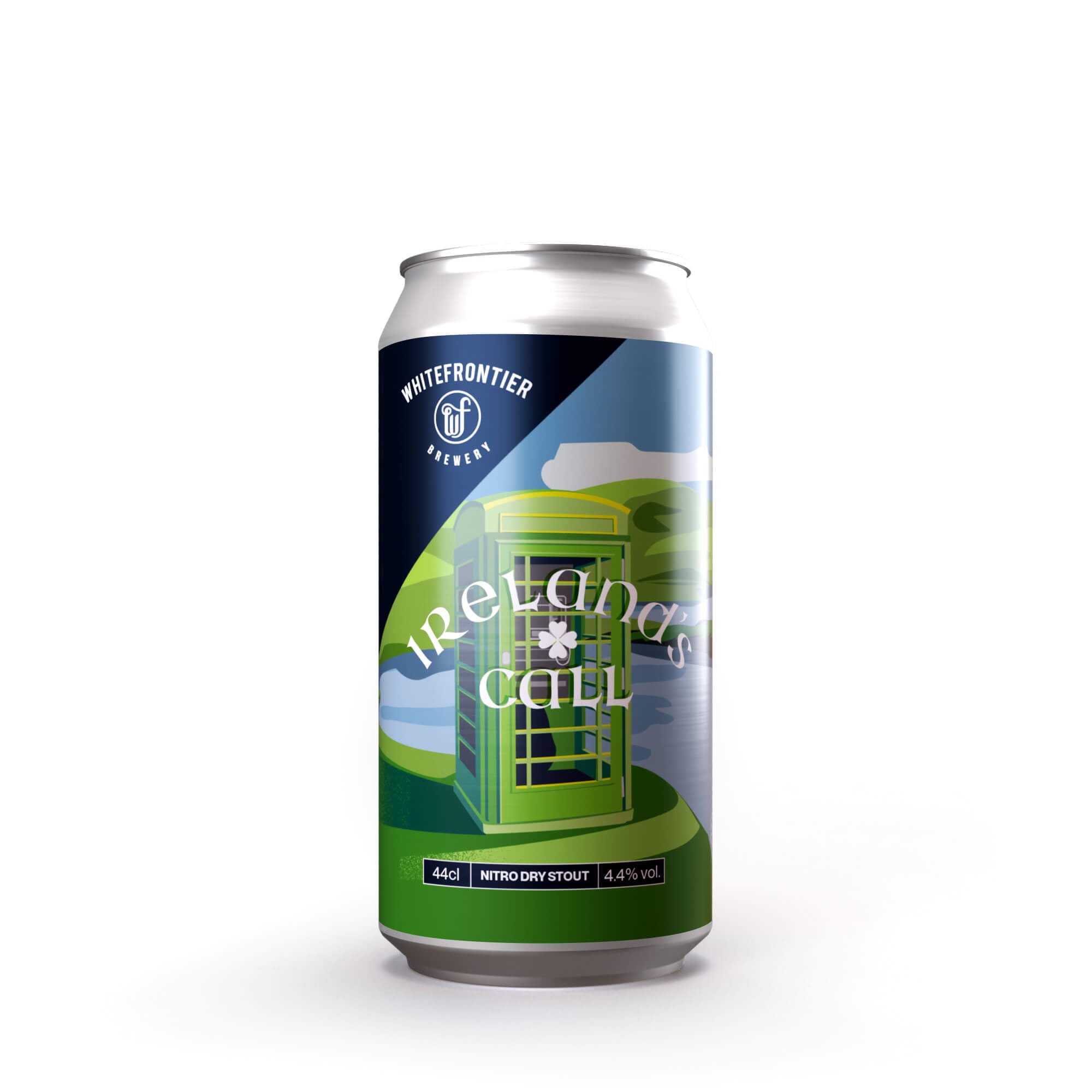
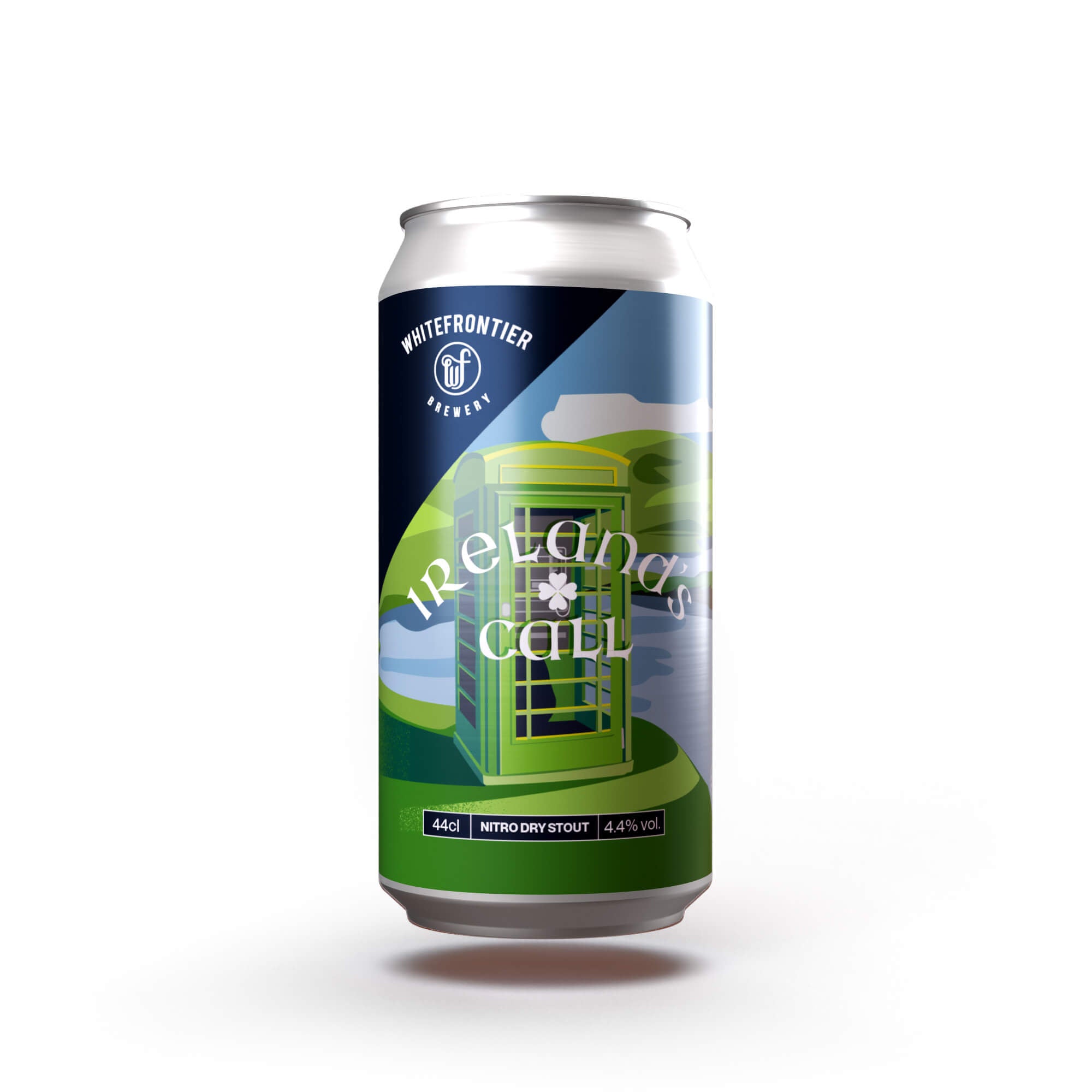
Irish dry stouts thus became dry beers, lightly carbonated, with a smooth and almost creamy texture. Contrary to popular belief, these are easy-drinking, balanced, sincere beers.
Stout today: an infinite playground
Stout is not a fixed style. It is a huge family :
-
light stouts
-
powerful imperial stouts
-
oat stouts, lactose stouts
-
barrel-aged stouts
-
coffee, vanilla, cocoa stouts
The base always remains the same: roasted malt. But around it, everything is possible.
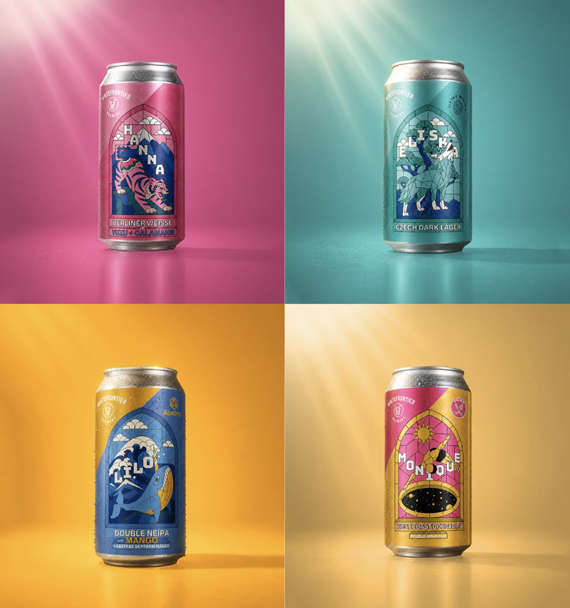
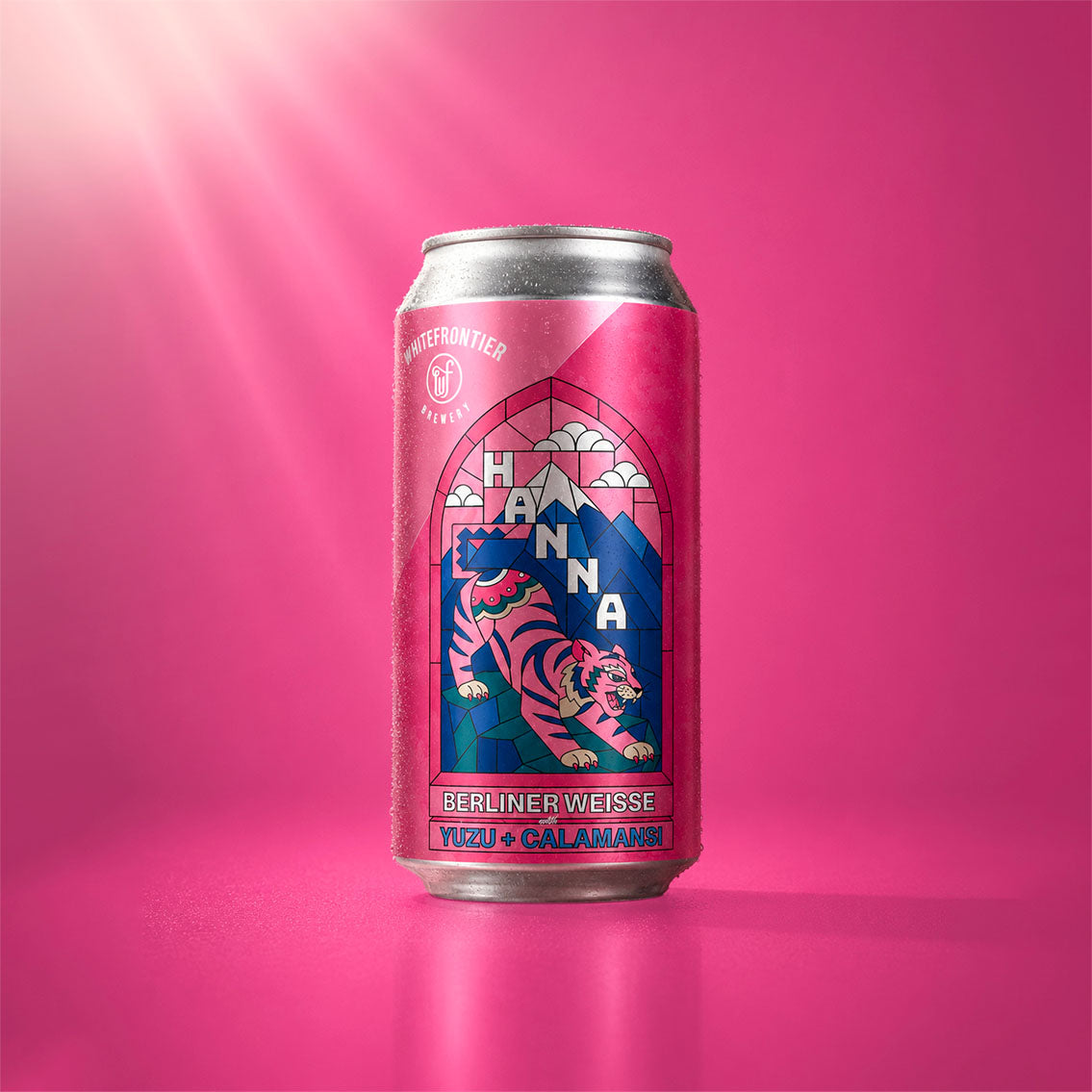
At Whitefrontier, we like to explore this creativity.
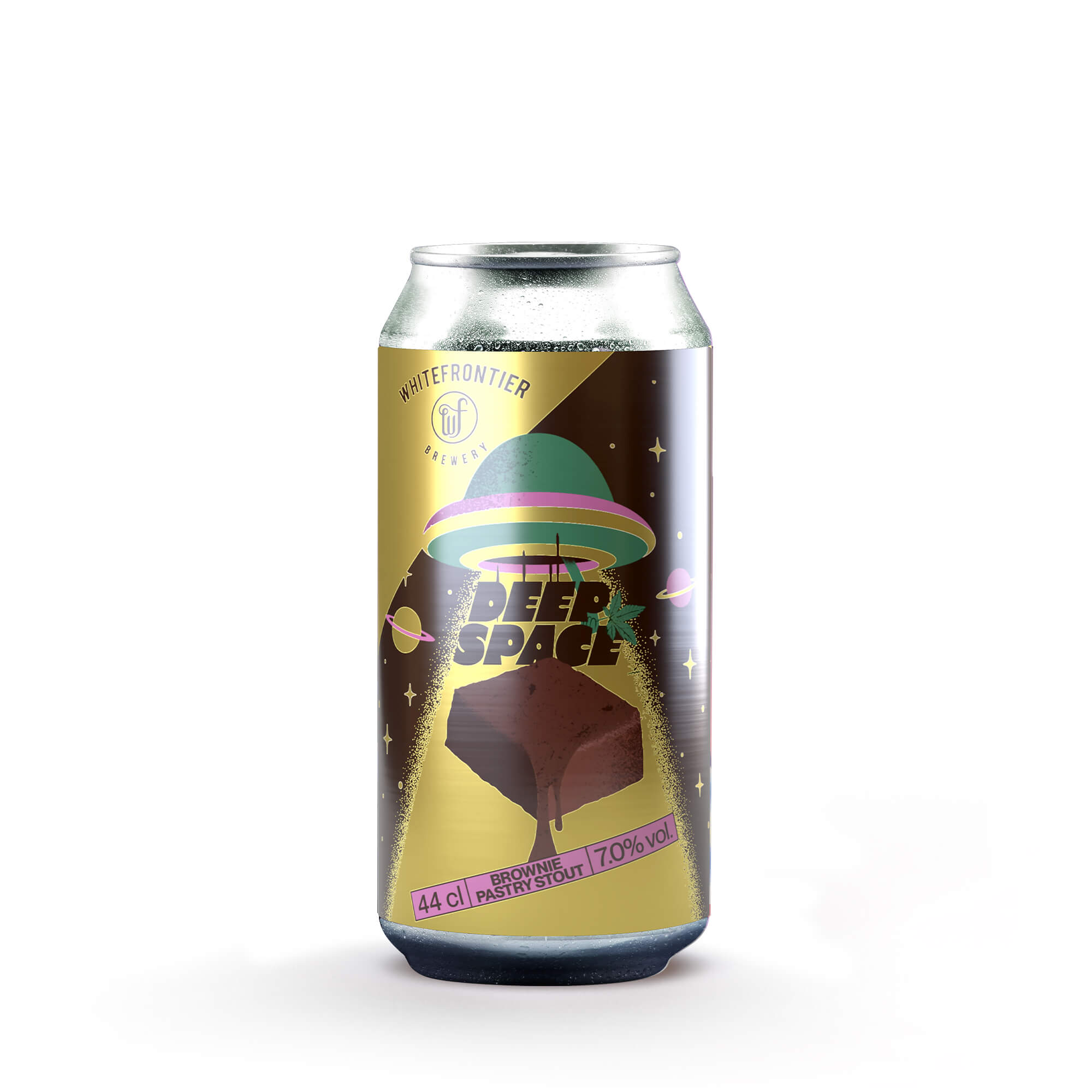
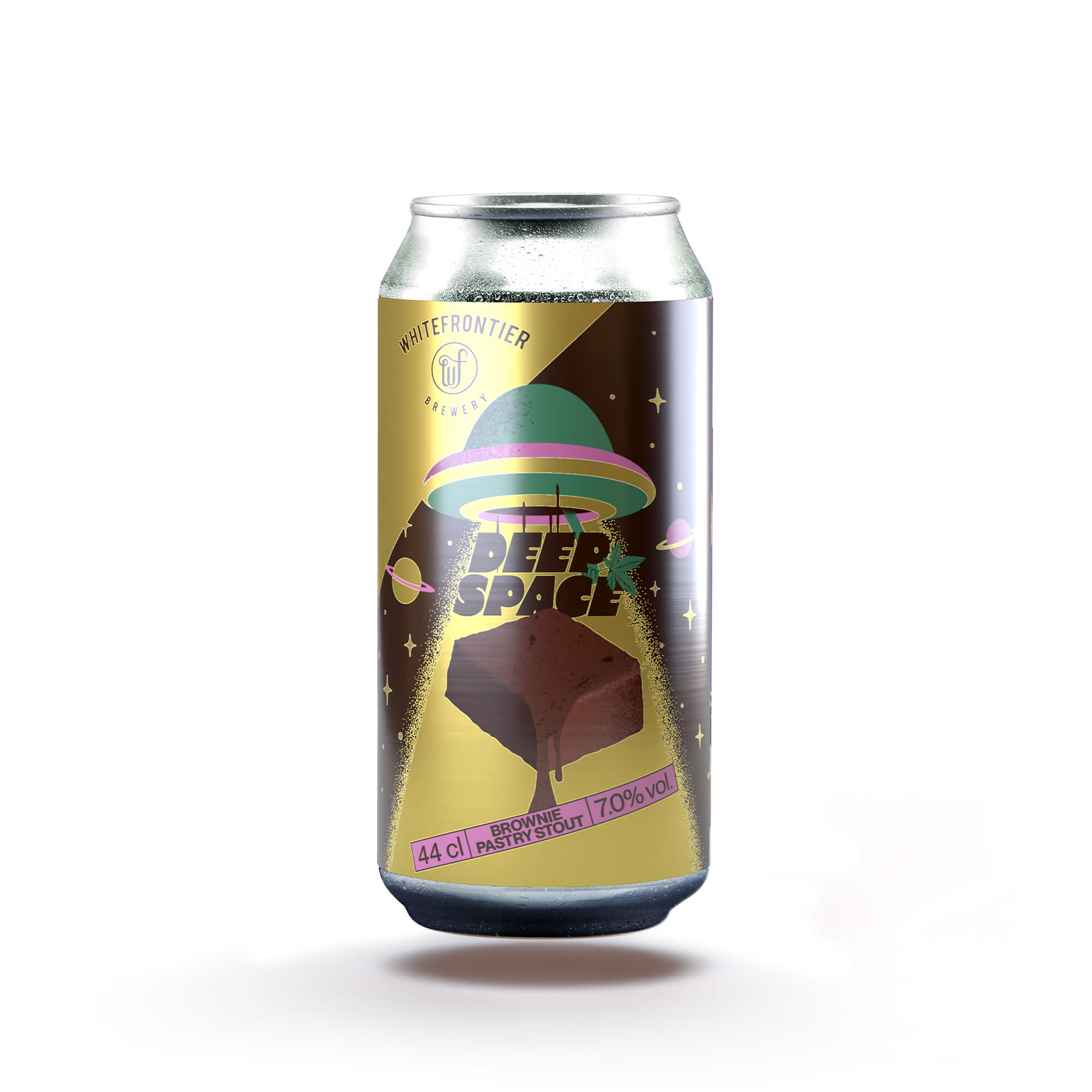
👉 Deep Space
A cocoa stout like a space brownie, enriched with Abstract Hop, which recreates an aromatic profile reminiscent of cannabis, without containing any. An intense, indulgent, surprising beer, designed as a sensory experience.
When and how to drink a stout?
Contrary to what people think, stout is extremely versatile:
-
with dark chocolate
-
less sweet desserts
-
certain cheeses
-
and even… with oysters, a classic and surprising pairing
It is also a beer for conversation. A beer to drink slowly, that evolves in the glass, that invites you to take your time.
And for a first time?
If you have never tasted a stout, start simple.
A low-alcohol stout, well balanced, without artifices. Forget the color, forget the clichés.
Stout is a beer deeply linked to history, culture, and craftsmanship. And very often, when you taste it without preconceived ideas… you are surprised.