


Everything You Need to Know About the Different IPA Styles
Today, it's impossible to miss them.
IPAs are everywhere.
On store shelves, in bars and increasingly on restaurant menus.
And that's no coincidence.
Because a well crafted IPA isn't just something you drink.
It complements, enhances and elevates.
Pair an IPA with a burger or a beef tartare and it becomes a true flavour enhancer.
But behind those three letters lies much more than a single beer style.
IPA: A Story of Survival Turned Revolution
IPA stands for India Pale Ale.
Let's go back to the 18th century.
British brewers wanted to ship beer all the way to India.
The problem? The journey took several months and involved extreme temperature variations.
Traditional beer simply wouldn't survive.
So they adapted the recipe:
• Higher alcohol content
• Significantly more hops
Why?
Because hops are a natural preservative.
They help protect against bacteria and slow down oxidation.
👉 An important detail:
Back then, this wasn't about flavour.
Brewers weren't trying to create an aromatic beer.
They were simply trying to make sure it arrived drinkable.
From Necessity to a Brewer's Playground
Everything changed with the craft beer revolution, particularly in the United States during the 1980s.
Brewers rediscovered the IPA style and completely transformed the concept.
Hops were no longer used only for preservation.
They became a creative tool.
And that's when things exploded.
Because hops aren't just about bitterness.
They offer an extraordinary range of aromas:
• Citrus
• Mango
• Tropical fruits
• Floral notes
• Pine and resin
And most importantly, it all depends on how they're used.
How Brewing Influences Aroma
This is one of the keys to understanding modern IPAs.
Hops added early in the boil
→ Bitterness
Hops added late in the boil
→ Aroma
Dry hopping
→ Intense hop aroma with very little added bitterness
👉 Today, an IPA is first and foremost an aromatic beer.
If it tastes aggressively bitter, the balance probably isn't right.
The Main IPA Styles You Should Know
Today, IPA has become an entire family of beer styles.
And that's where things get really interesting.
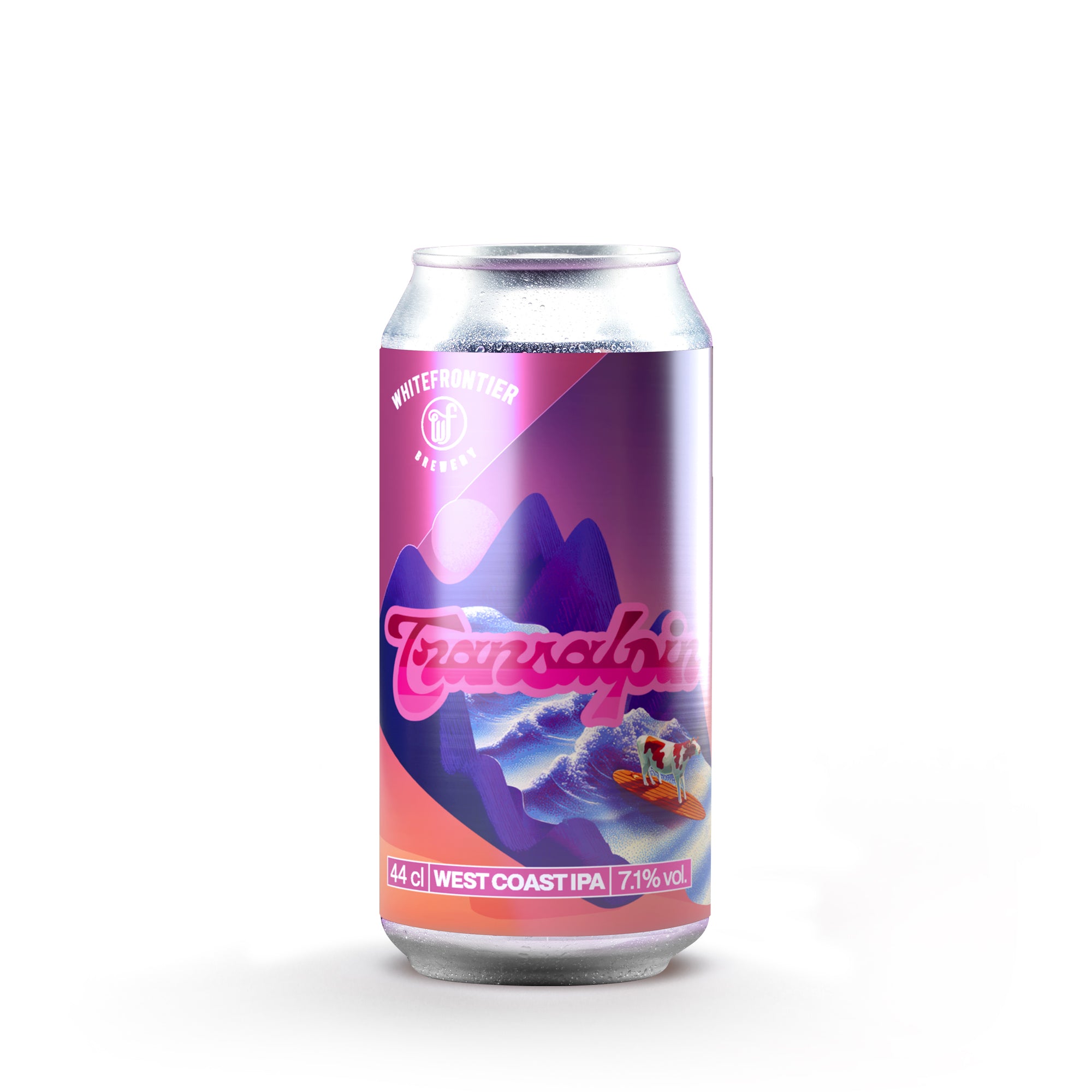
West Coast IPA
The classic style, reinvented.
• Clear appearance
• Very dry finish
• Firm, clean bitterness
• Pine and citrus aromas
👉 Precise, crisp and highly structured.
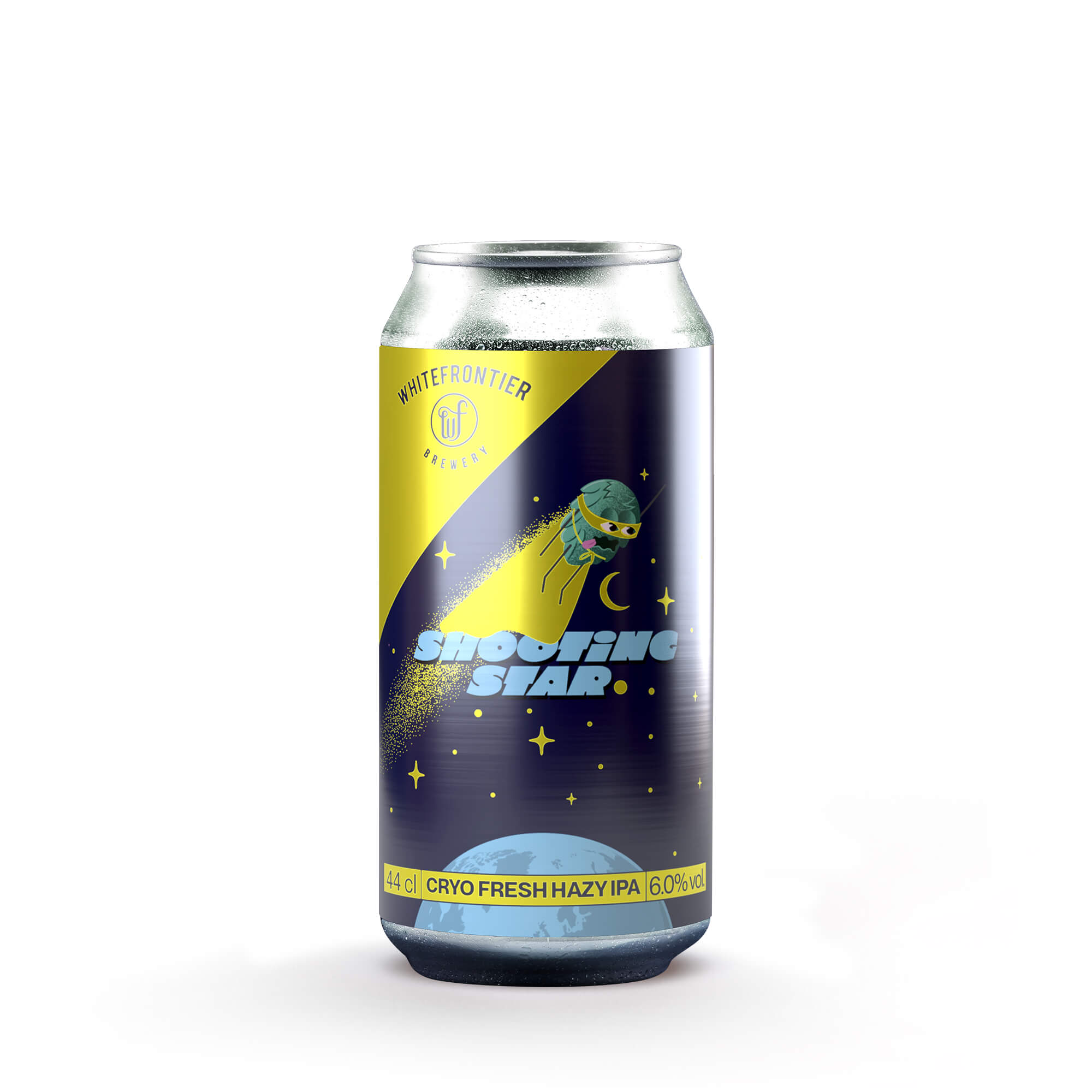
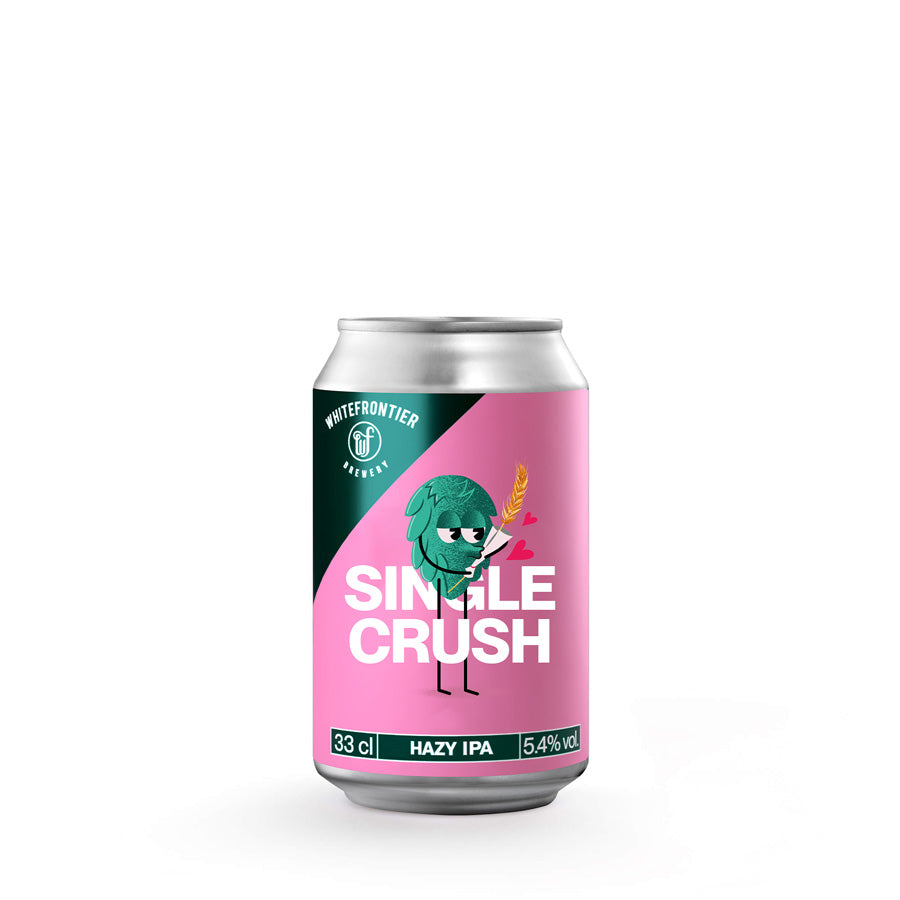
Hazy IPA (or New England IPA)
The complete opposite.
• Hazy appearance
• Soft, juicy mouthfeel
• Very low bitterness
• Explosive tropical fruit character
👉 The perfect gateway into the world of IPA.
XPA (Extra Pale Ale)
A style that originated in Australia.
• Lower alcohol content
• Easy drinking
• Aromatic yet approachable
👉 Perfect for those seeking flavour without heaviness.
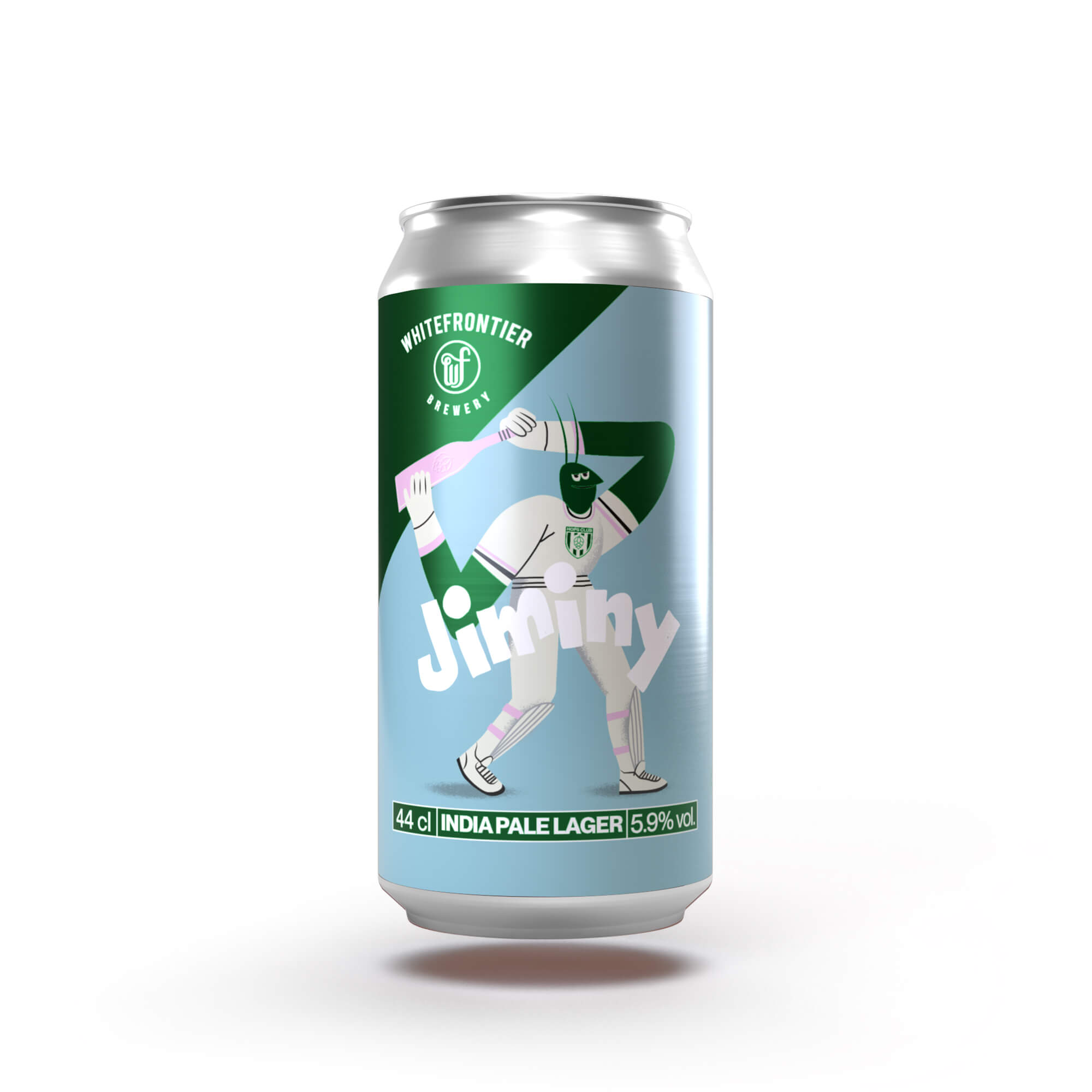
IPL (India Pale Lager)
An intriguing hybrid.
• Lager fermentation
• Clean and precise profile
• Expressive hop character
👉 A lager with attitude.
Smoothie IPA
The experimental side of craft beer.
• Fruit additions
• Thick texture
• Intense flavour expression
👉 Closer to a fruit nectar than a traditional beer.
Why Are IPAs So Popular Today?
Because they perfectly match what modern drinkers are looking for.
👉 Less, but better.
We see it clearly in Switzerland:
Beer consumption is declining, yet the value of the market continues to grow.
Consumers increasingly want:
• More flavour
• More experience
• Higher quality
And IPAs deliver exactly that.
Where Should You Start?
If you're new to IPA, don't begin with the most extreme versions.
Start simple:
• A Hazy IPA
• An XPA
👉 You'll immediately understand what hops can bring to a beer.
Then explore further.
Because IPA is often the gateway.
And once you understand it, you'll never drink beer quite the same way again.
You don't just drink it.
You taste it.
Where Can You Taste Different IPA Styles?
The best way to understand IPA is to experience it firsthand.
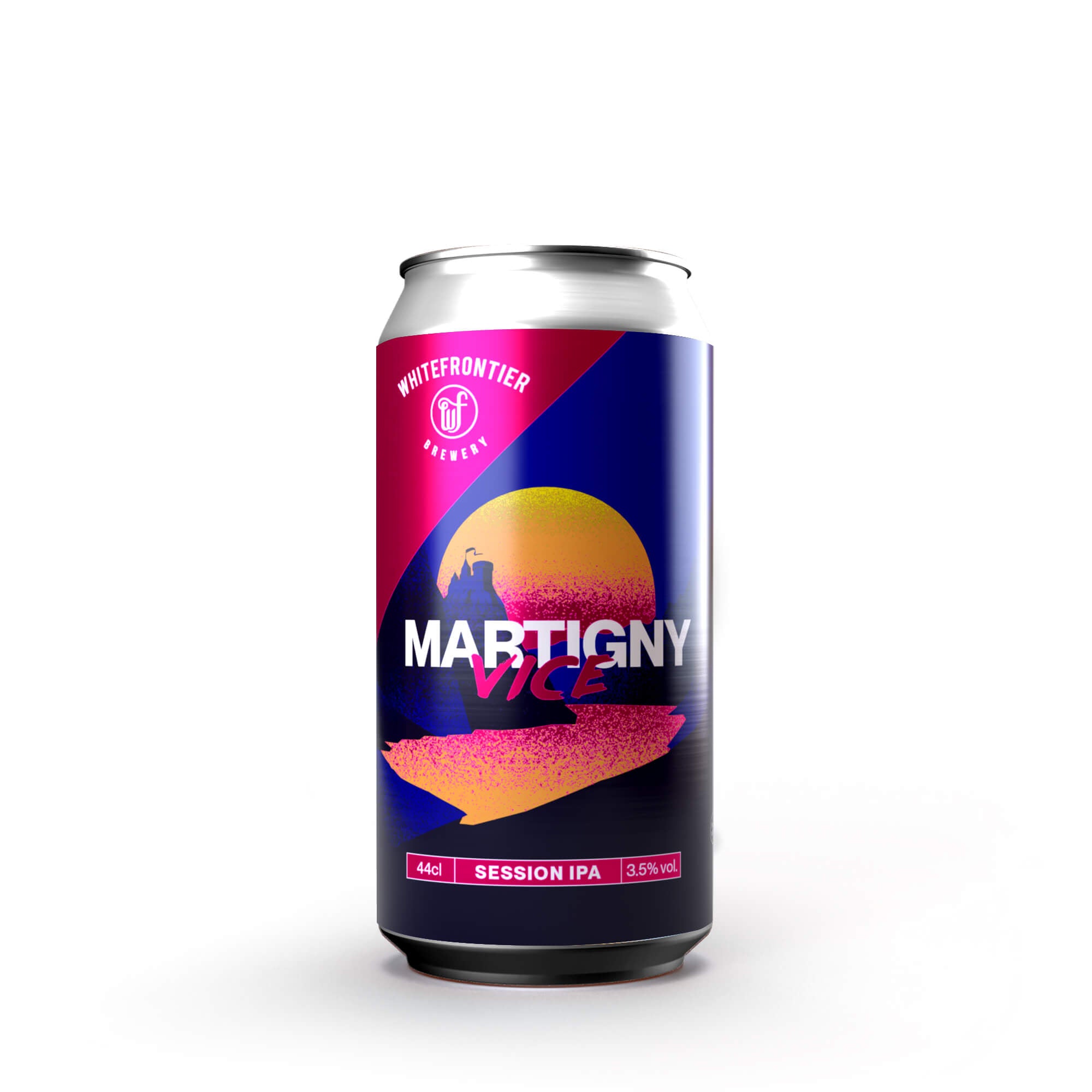
At the WhiteFrontier Taproom in Martigny, we constantly rotate a wide selection of beers.
At the moment, you'll find around ten different IPAs on tap.
👉 The perfect opportunity to discover the differences in practice.
Conclusion
IPA is no longer just a style.
It's an entire universe.
A playground where brewers can express creativity, experiment with aromas, textures and balance.
And for many beer lovers, it's where the journey truly begins.