


Christmas is over.
Christmas trees line the sidewalks, decorations slowly disappear, and we start doing what we do every January: slowing down… but not too much either.
And yet…
There remains something deeply comforting about this time of year: the cold, the long evenings, the craving for warm, rich, indulgent food. And this is precisely where Christmas beers — or rather winter beers — still make perfect sense.
Because in reality, these beers were never made only for December 24th or 25th.

Christmas beer, winter beer: same battle
Whether they are called Christmas Ale or Winter Ale, these beers are designed for the entire cold season. Traditionally fuller-bodied, often a bit stronger in alcohol, they offer an aromatic profile tailored for January:
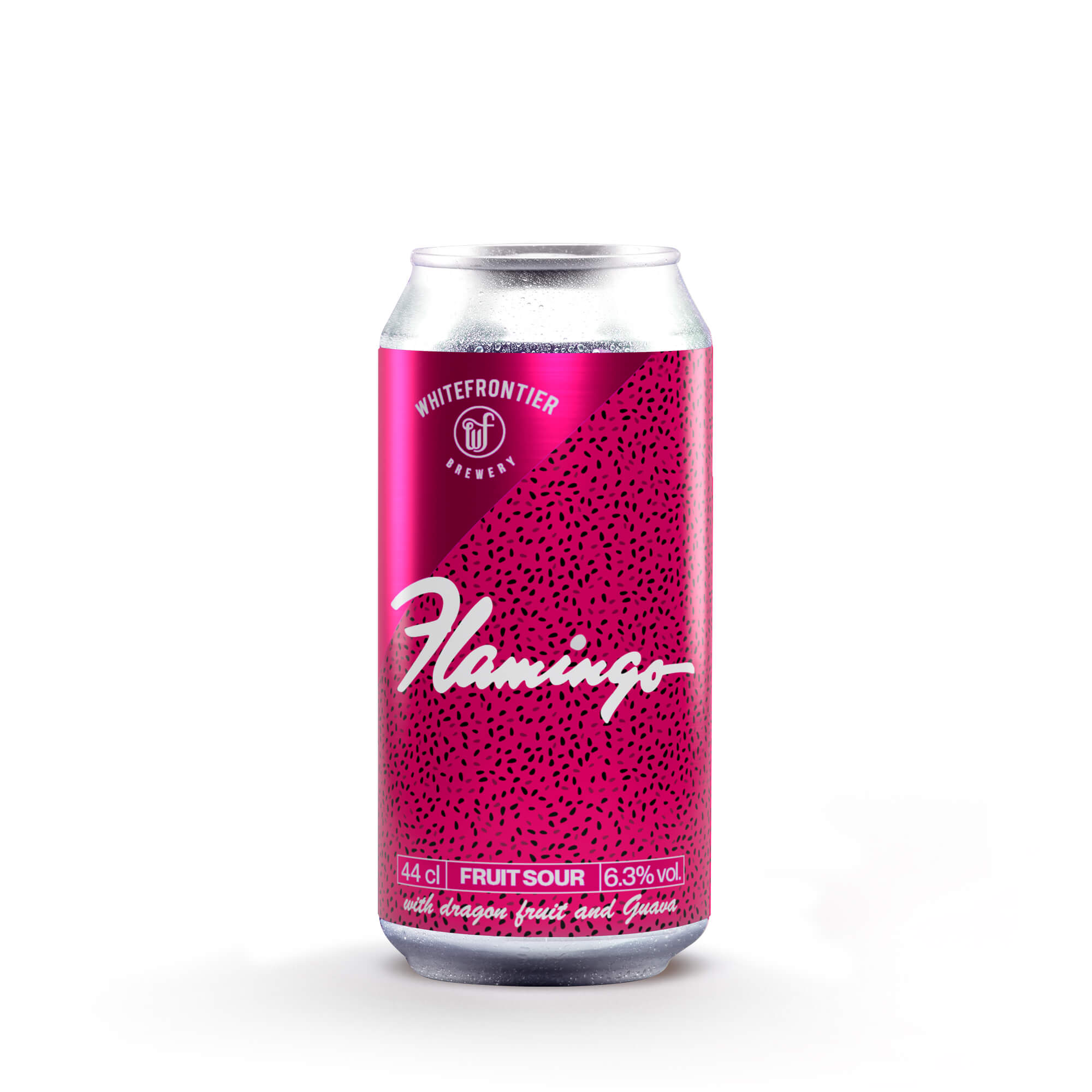
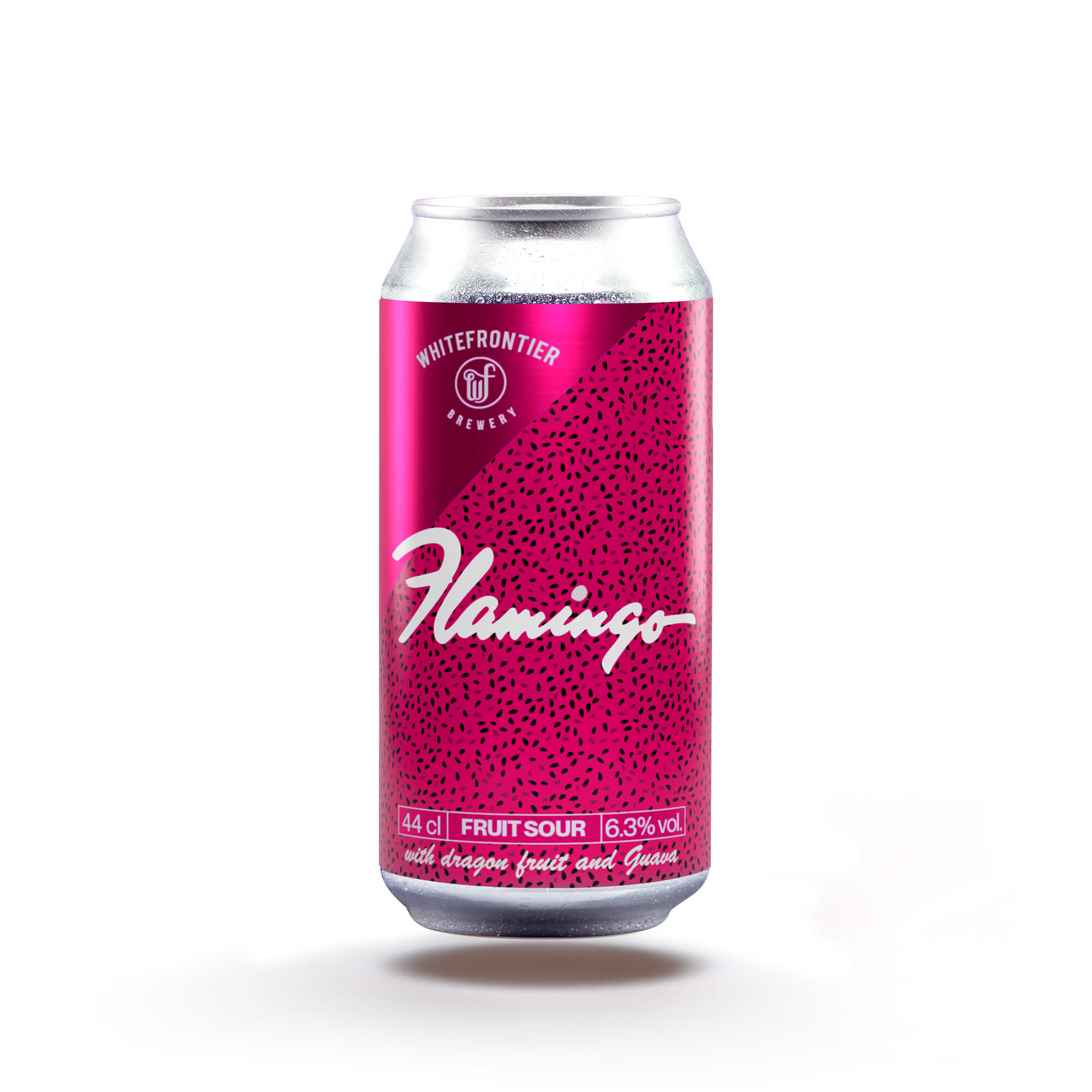
round body, warmth on the palate, notes of caramel malt, spices, sometimes winter fruits or even very indulgent inspirations such as pastry stout or pastry sour.
Today, of course, marketing plays a role. But the history of these beers is much older and above all very pragmatic.
A tradition born from cold weather and stock supplies
Winter beers have their roots in European brewing traditions: Belgium, France, the United Kingdom, Germany, Nordic countries… The Vikings themselves brewed their Christmas Ale to celebrate the winter solstice.
But the real reason is far more down-to-earth.
Before the industrial era, it was impossible to store ingredients properly. Hops were harvested in September, grains in summer, then delivered to breweries in autumn. Brewers refused to mix old and new raw materials, so the remaining stocks had to be used.
The result?
Beers brewed with aging malts and hops. Not always perfect in taste, but richer in fermentable sugars. Translation: stronger beers with higher alcohol content.
To balance everything, spices were added: cinnamon, ginger, honey, orange zest… Ingredients that warm you up, mask certain flaws, and perfectly match winter.
At the time, these beers were not even sold. They were given as end-of-year gifts to employees and top customers.
January, the real time to drink them
Today, brewers proudly stand by their winter beers. And let’s be honest: January might be the best moment to enjoy them.
The holidays are over, we slow down. These beers become allies of comfort:
gingerbread aromas, caramel, maple syrup, subtle notes of cinnamon, clove, ginger or orange peel. Beers to sip slowly, on a couch, around a good warm meal.
And at the table, how do we do it?
Even after Christmas, pairings still work.
Oysters: dare a stout. Iodine and saltiness pair surprisingly well with roasted notes and controlled bitterness.
👉 Foie gras (yes, there’s often some left…): a round, spicy, slightly sweet beer to cut through the fat.
👉 Roast poultry, winter stews: an Amber Winter Ale brings depth and warmth.
👉 Winter cheeses (Mont d’Or, raclette, fondue): a spicy yet dry beer to awaken aromas and balance the richness.
👉 Dessert: because there is always room.
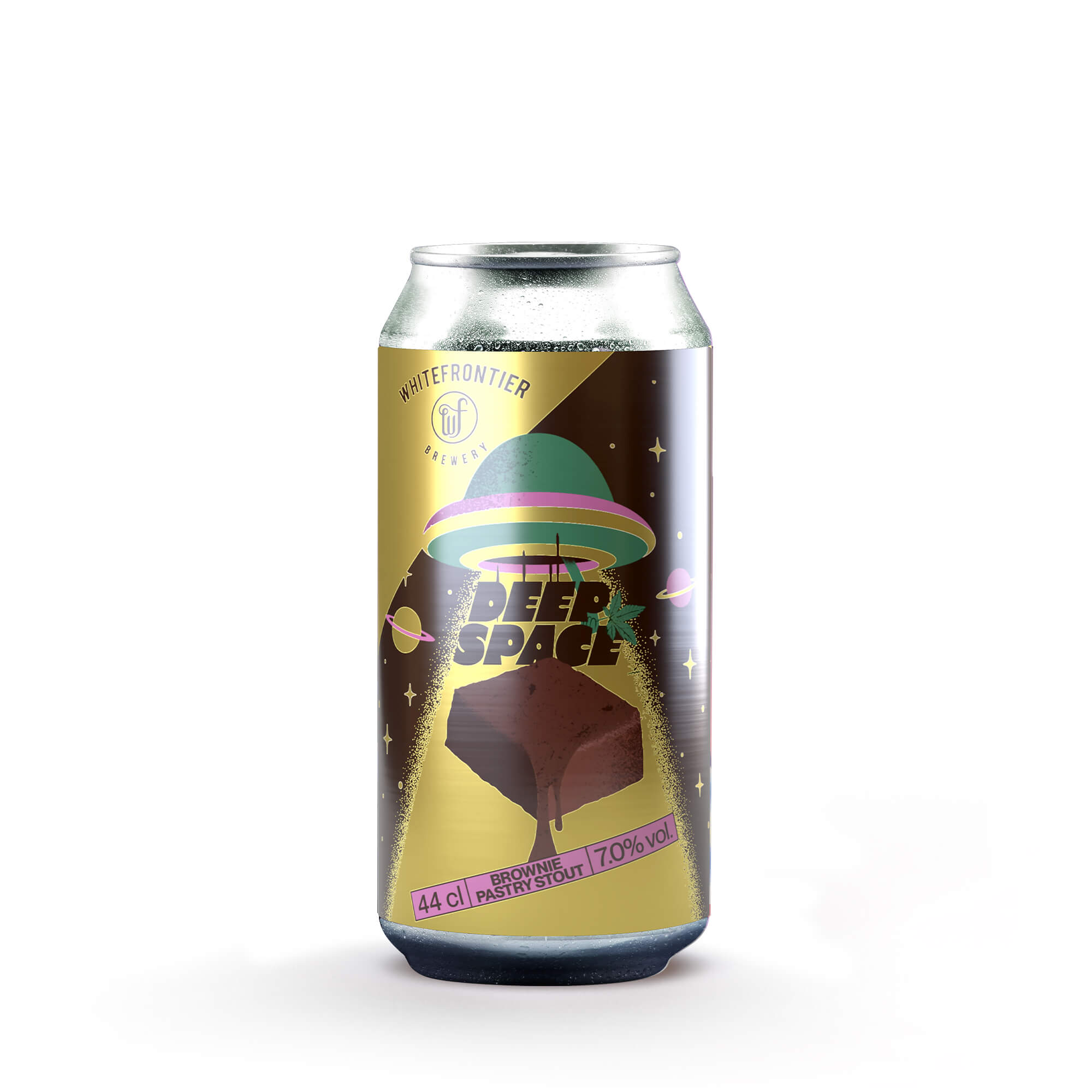
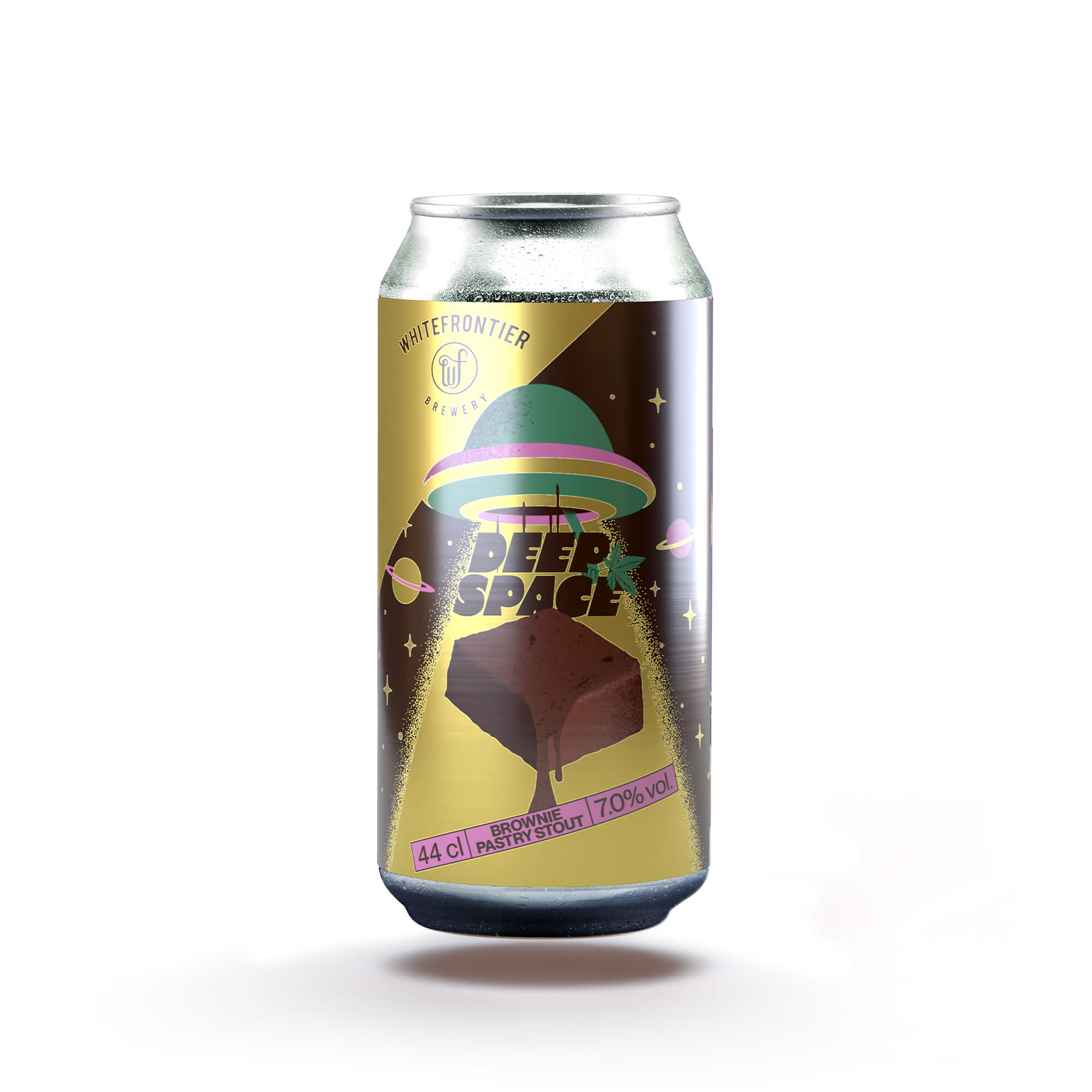
A recycled yule log, a brownie, a chocolate-caramel dessert with Deep Space, Whitefrontier’s space-cake stout. Intense indulgence, hop freshness, perfect balance.
And at the table, how do we do it?
Even after Christmas, pairings still work.
Oysters: dare a stout. Iodine and saltiness pair surprisingly well with roasted notes and controlled bitterness.
👉 Foie gras (yes, there’s often some left…): a round, spicy, slightly sweet beer to cut through the fat.
👉 Roast poultry, winter stews: an Amber Winter Ale brings depth and warmth.
👉 Winter cheeses (Mont d’Or, raclette, fondue): a spicy yet dry beer to awaken aromas and balance the richness.
👉 Dessert: because there is always room.
A recycled yule log, a brownie, a chocolate-caramel dessert with Deep Space, Whitefrontier’s space-cake stout. Intense indulgence, hop freshness, perfect balance.
In summary
Christmas beers don’t stop on December 25th.They are made for winter, for January, for February, for March, for those moments when we look for comfort, warmth and flavor.
And if you’re looking for even more inspiration, food-beer pairings or seasonal recipes, the Whitefrontier blog is there for that.
Because winter is still long… might as well drink it well 🍺❄️